Obsessive-Compulsive Disorder

ERP: The Gold-Standard to Treat OCD
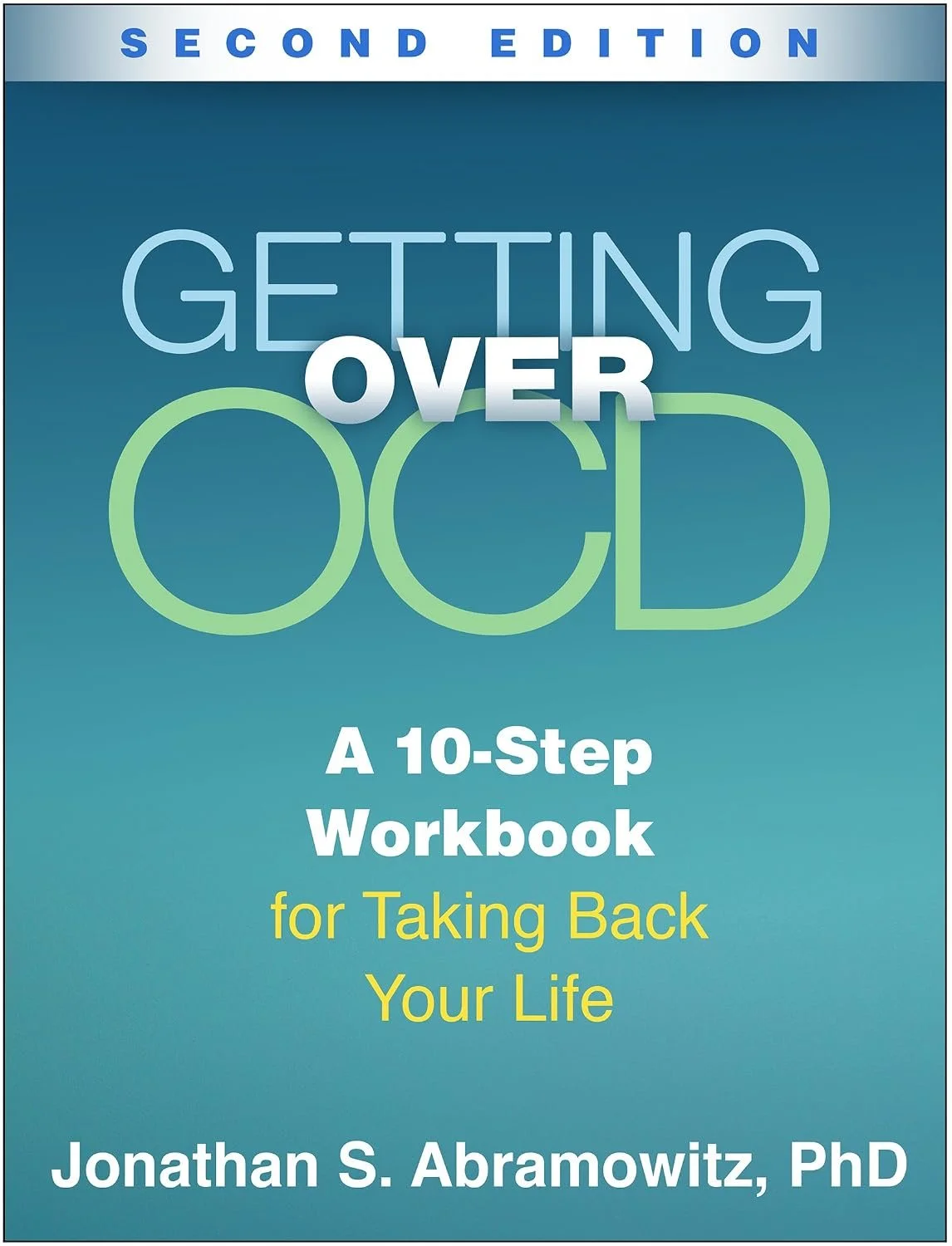
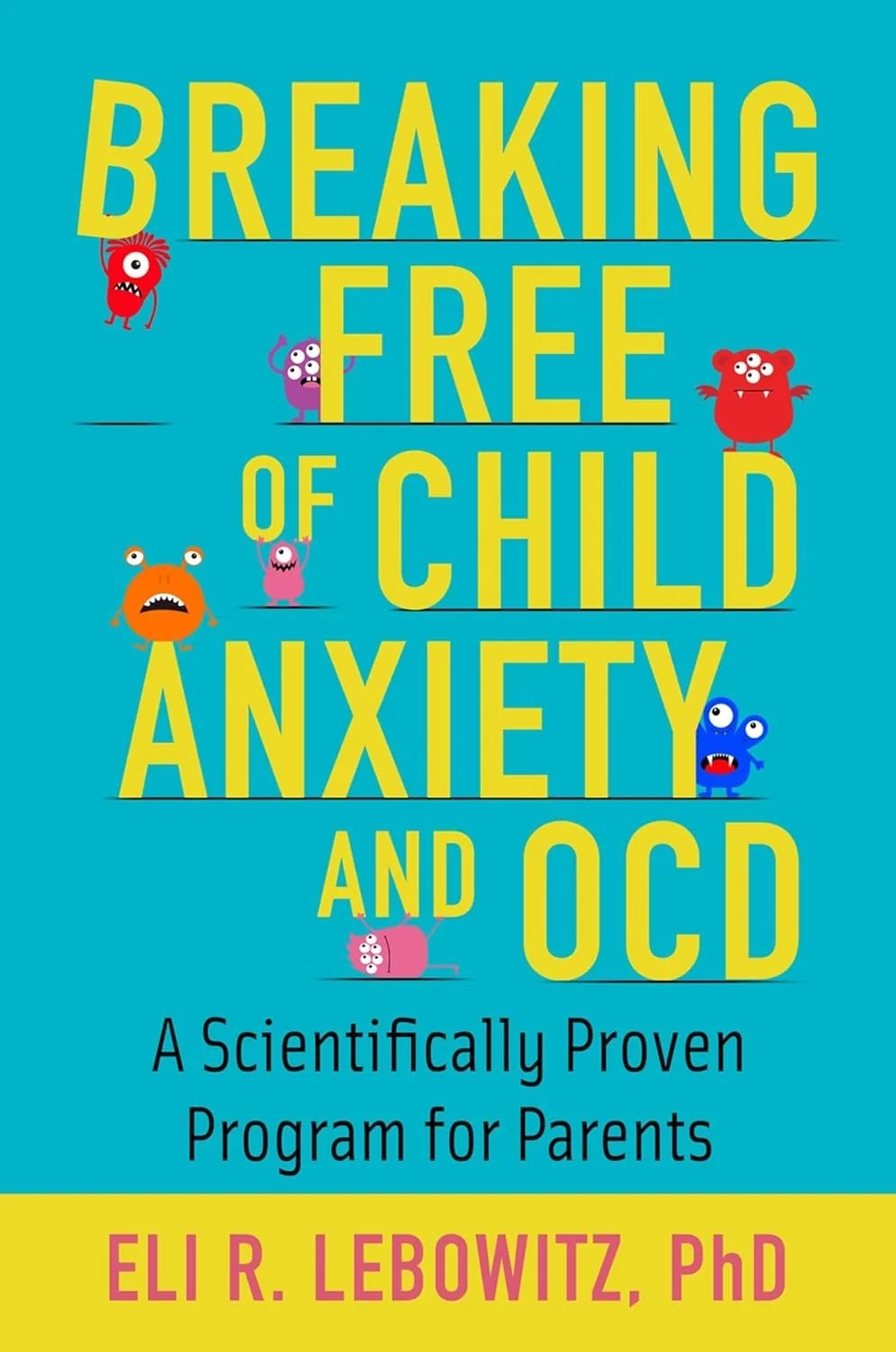
Do you or your child ever have obsessive thoughts that just won’t go away? Are you compelled to do certain rituals like eating food one exact way or checking to make sure you did what you needed to do “just right”? Obsessive-compulsive disorder makes us have frequent, unwanted thoughts and urges that cause major anxiety. People try to cope with these obsessions through doing compulsions, which are actions that temporarily relieve the anxiety, but in the end, they make it worse. If this sounds like you, please reach out and we can do a clinical exam to see if you have OCD.
The “gold-standard” to treat OCD is exposure and response prevention therapy (ERP). The International OCD Foundation explains, “The exposure component of ERP refers to practicing confronting the thoughts, images, objects, and situations that make you anxious and/or provoke your obsessions. The response prevention part of ERP refers to making a choice not to do a compulsive behavior once the anxiety or obsessions have been ‘triggered.’ Over time, the treatment will ‘retrain your brain’ to no longer see the object of the obsession as a threat.”
One of the purposes of ERP is empower you to create your own exposures and process your own responses by equipping you with therapeutic tools and strategies. You are not alone and I am here to help!
What is ACT?
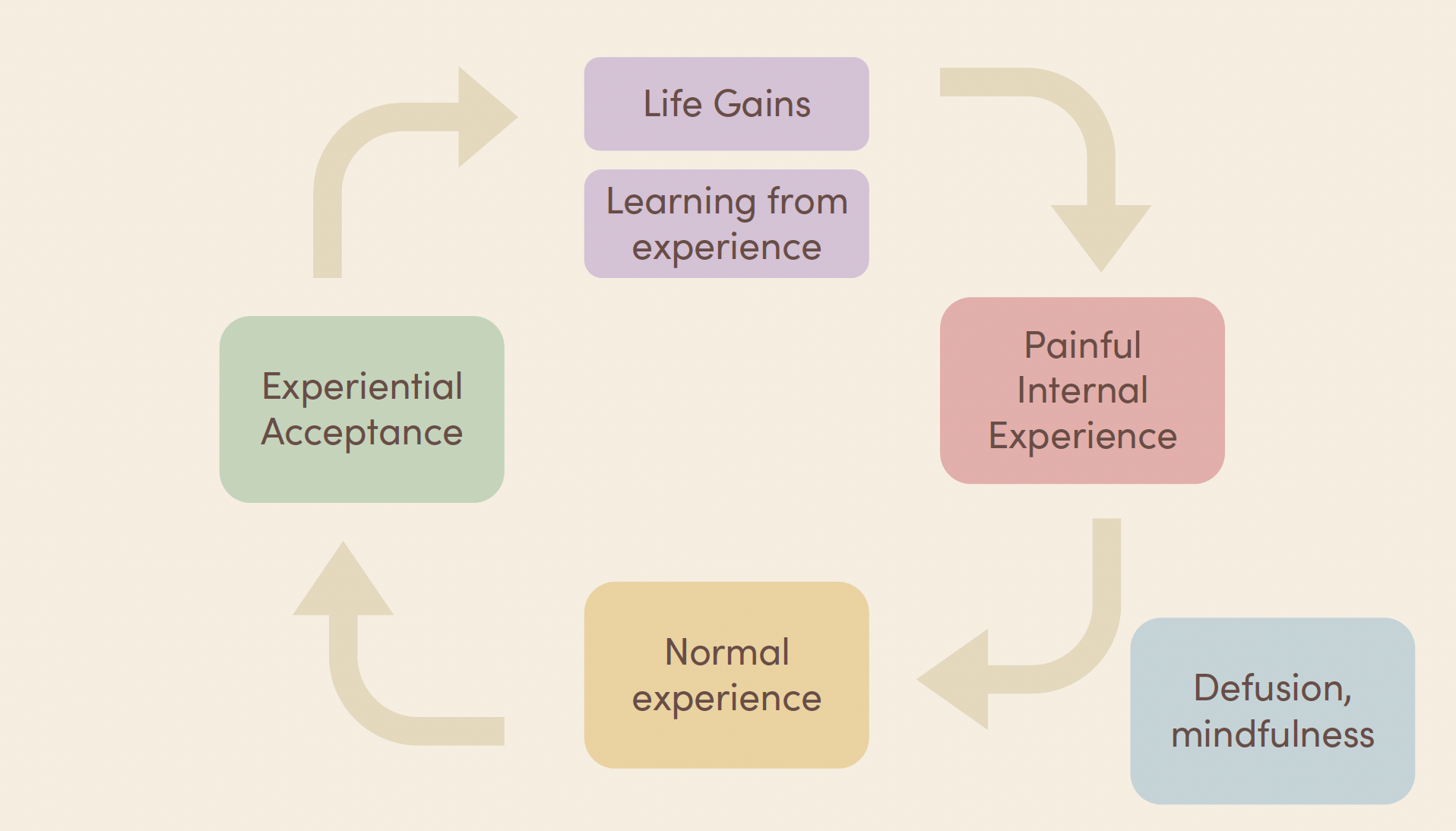
Acceptance and Commitment Therapy (ACT) is another helpful intervention to treat OCD as well as depression and anxiety. ACT emphasizes the importance of not villainizing any of our emotions and that sadness and suffering are normal aspects of life. One of ACT’s founders psychologist Steven Hayes explains, “We as a culture seem to be dedicated to the idea that ‘negative’ human emotions need to be fixed, managed, or changed—not experienced as part of a whole life. We are treating our own lives as problems to be solved as if we can sort through our experiences for the ones we like and throw out the rest.” Acceptance can be a powerful source of healing as it can broader our view on what we “should” be feeling in any given moment.
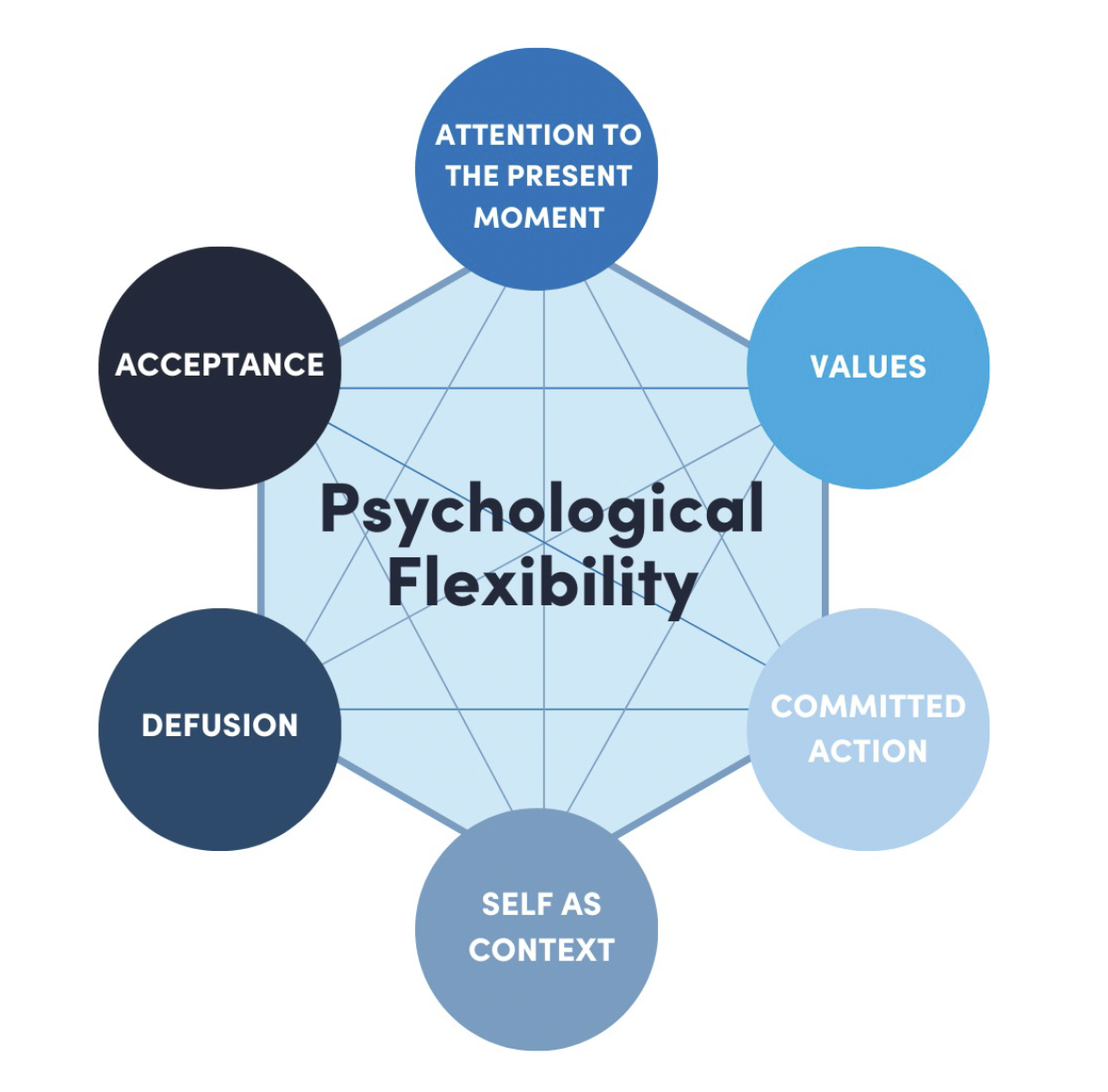
To reach this acceptance, ACT teaches cognitive defusion, mindfulness, contextual learning, and taking committed action based on core values. Here is a helpful short video explaining cognitive defusion: https://youtu.be/CpdVMs818AE?si=xhp42Ev8ur8c9-WE . The purpose of cognitive defusion is to untether ourselves from unhelpful thoughts. For all my sushi lovers out there, here’s a cute metaphor video example explaining a mindfulness exercise: https://www.youtube.com/watch?v=tzUoXJVI0wo .
In my sessions with clients, I will explore with them what their values are (ex. family, friends, helping others, academics, pets). These values motivate behavior and we can find ways to harness them to take positive action that aligns with what they care about the most.