What is play therapy?

"Enter into children's play, and you will find the place where their minds, hearts, and souls meet." — Virginia Axline
"Toys are children's words and play is their language." — Gary L. Landreth
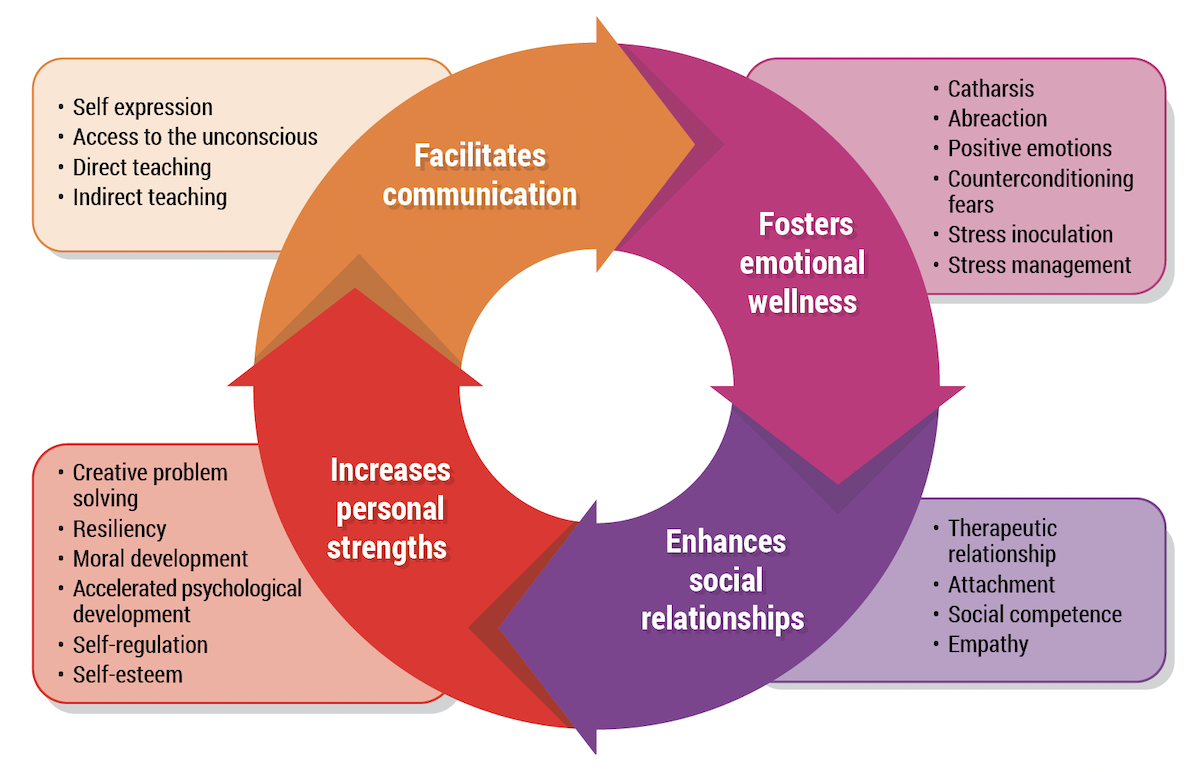
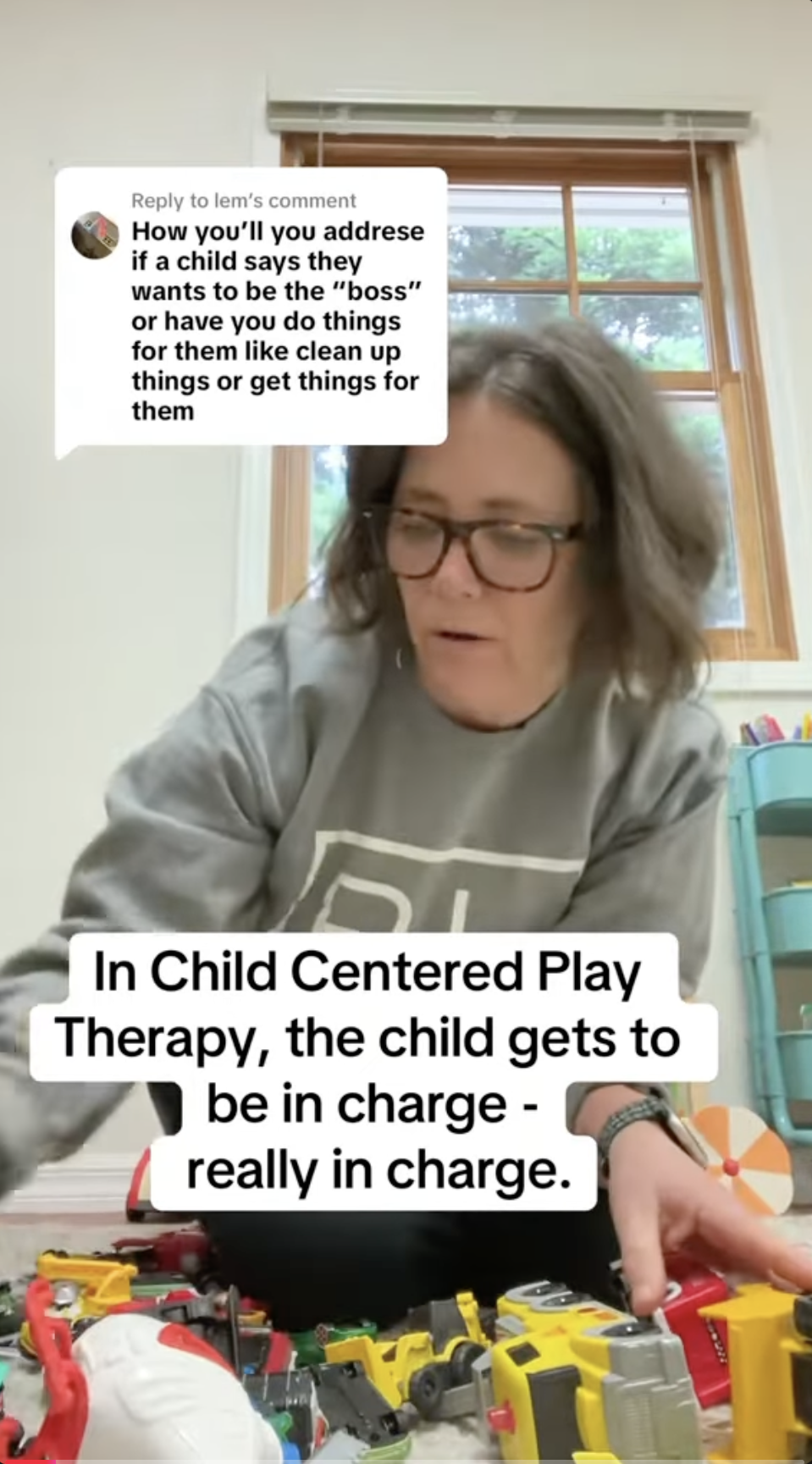
Before a child learns to speak, they learn how to play. As a child-centered play therapist, I approach therapy with children differently than a traditional talk therapist would. When your child first enters my office, I will say, “Welcome to the play room, in here you can say and do almost anything you want.” From the moment we meet, I empower them to make decisions and initiate play on their own terms. I have all kinds of toys they came choose from — a dollhouse, miniature figurines, puppets, a toy kitchen, foam swords, and board games to name a few. The goals of play therapy are to strengthen emotional wellness, social relationships, personal strengths, and communication skills. I will meet with caregivers for one-on-one adult sessions to understand the broader picture of what is going on at home. I will also bring up some themes from your child’s play and ask if they relate at all to real-world issues they are facing. One of my play therapy mentors Jen Sims (LPC, RPT) has a very illuminating YouTube and Instagram (IG @redwoodcenterforchildren) where she roleplays what play therapy actually looks like. Please click on the image on the left that says “In Child Centered Play Therapy, the child gets to be in charge” to watch how the playspace is set up to have children feel seen as well as to empower their decision making skills kids.
As your child’s therapist, one of my main roles is to not only to support your child and their treatment goals but also you. Caregiver-only therapy sessions are an integral part of a child’s treatment plan. These meetings are a time for us to process how things are going at home as well as your own feelings of distress that may arise as a result of parenting overwhelm. Being a parent is the hardest job in the world. I want you to feel seen and supported through this process.
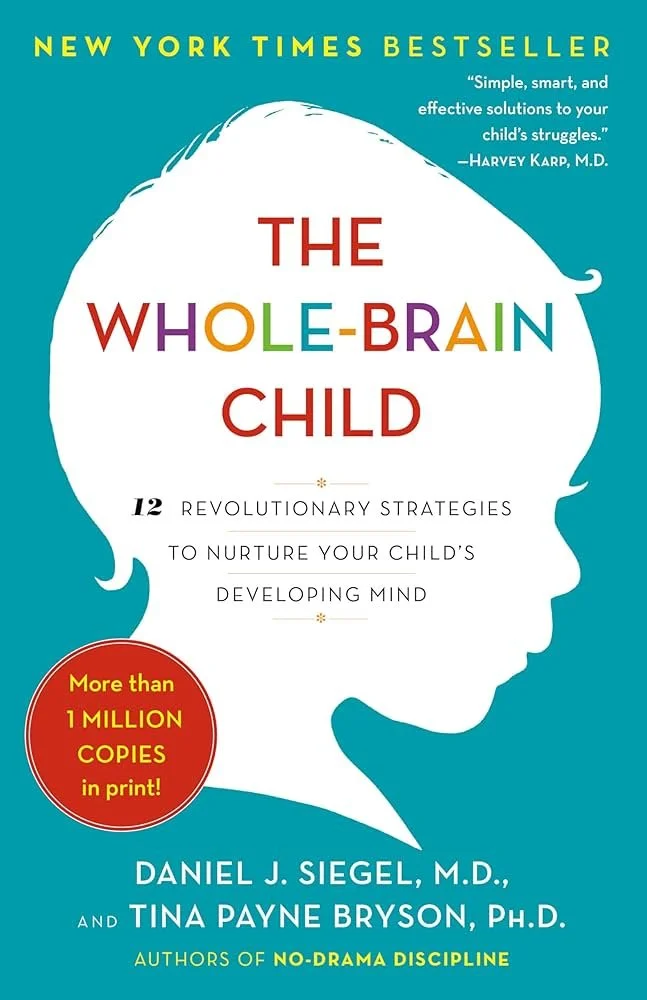
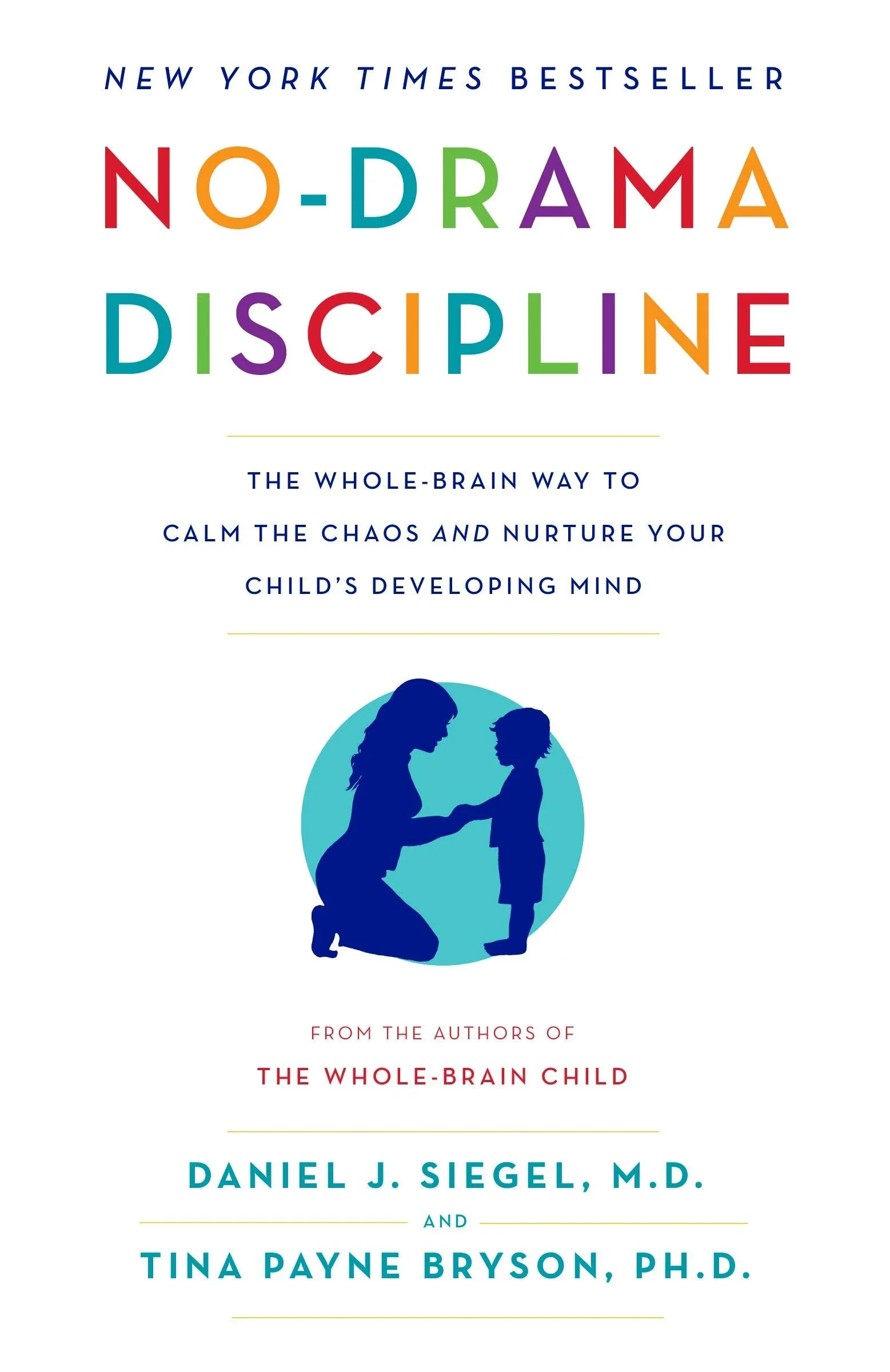
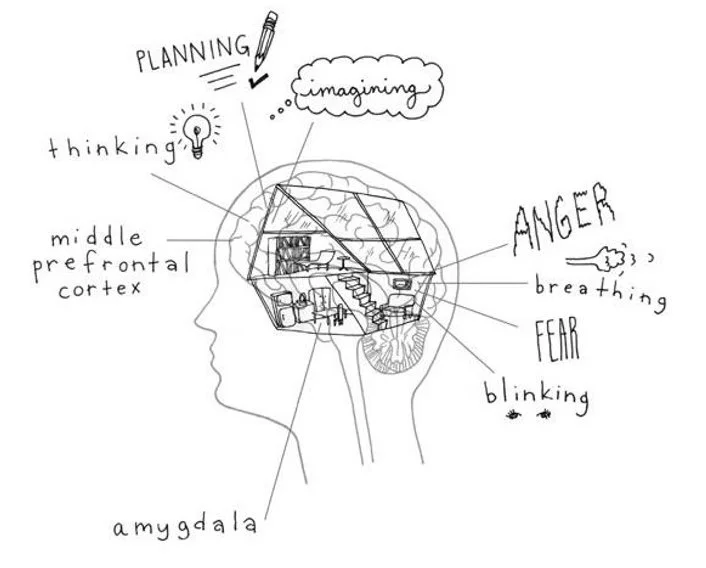
During our first parent-only session, we will go over your child’s treatment plan goals as well as any goals that you would like to add of your own for yourself. We will also briefly discuss how you were parented as a child and what expectations you have about parenting your child. My parent counseling philosophy is guided by the work of Dr. Daniel J. Siegel and Dr. Tina Payne Bryson. This doctor/psychotherapist duo explain in their books The Whole Brain Child and No-Drama Discipline what the emotional capacity is for a child at each stage of their development and how to teach them skills as they are working through big emotions. Ever feel stuck in a cycle of tantrums and time-outs? Dr. Siegel and Dr. Bryson explain ways to break the cycle. I would highly recommend reading their books and will reference them in our work together.
Play has been used as a therapeutic intervention since the 1800s. What these decades of practice have shown us is that when we listen to children in their own language of play, they build their confidence because they feel seen and understood.